
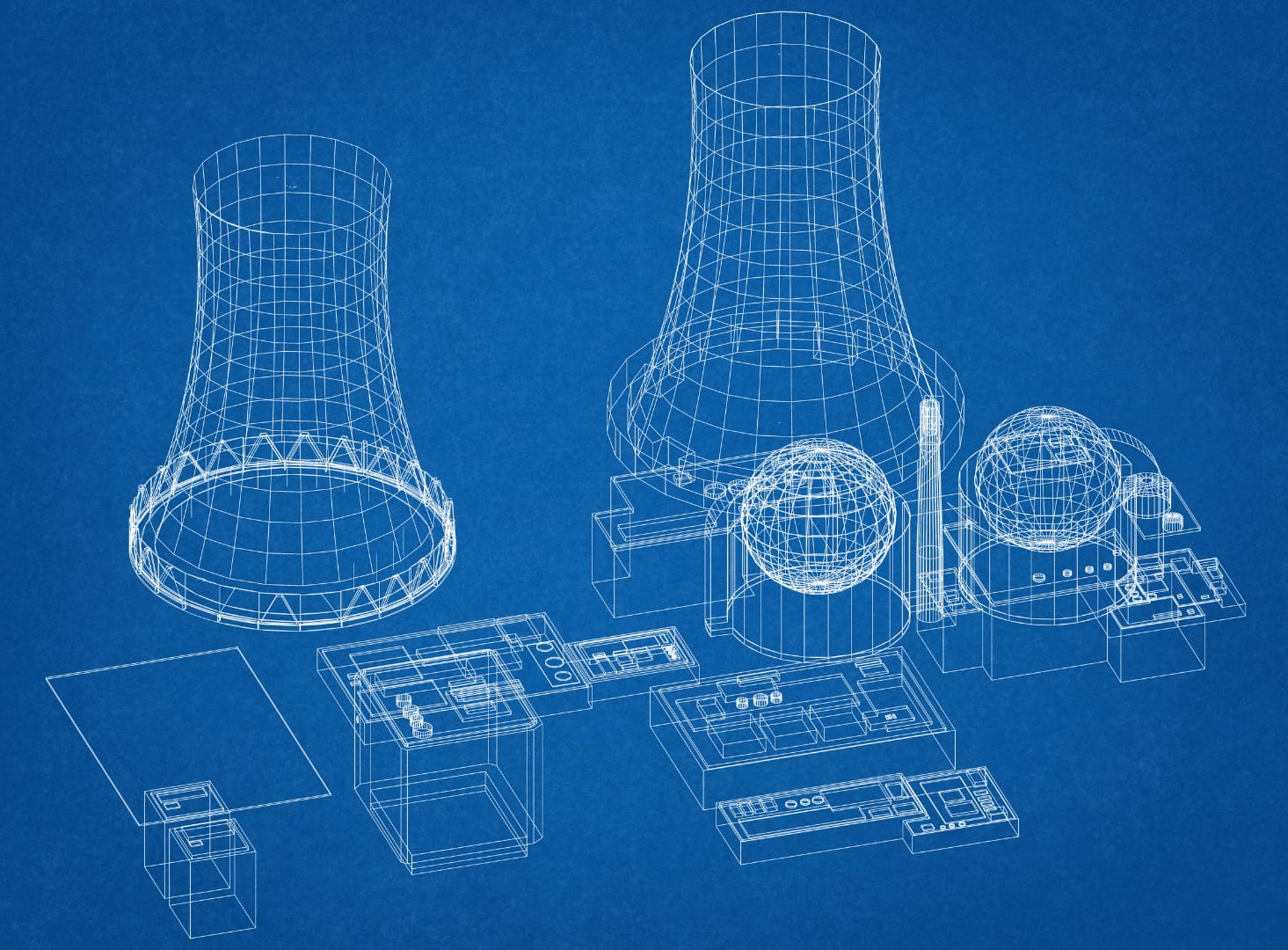
As we move towards a cleaner and more sustainable energy system, the role of nuclear power will be indispensable in ensuring that we meet our energy needs while protecting the environment for future generations.
Businesscommercial electricianelectrical hazards
Zach Shaffer May 15th, 2024
Understanding Circuit Breakers: Essential Insights for Facilities Maintenance
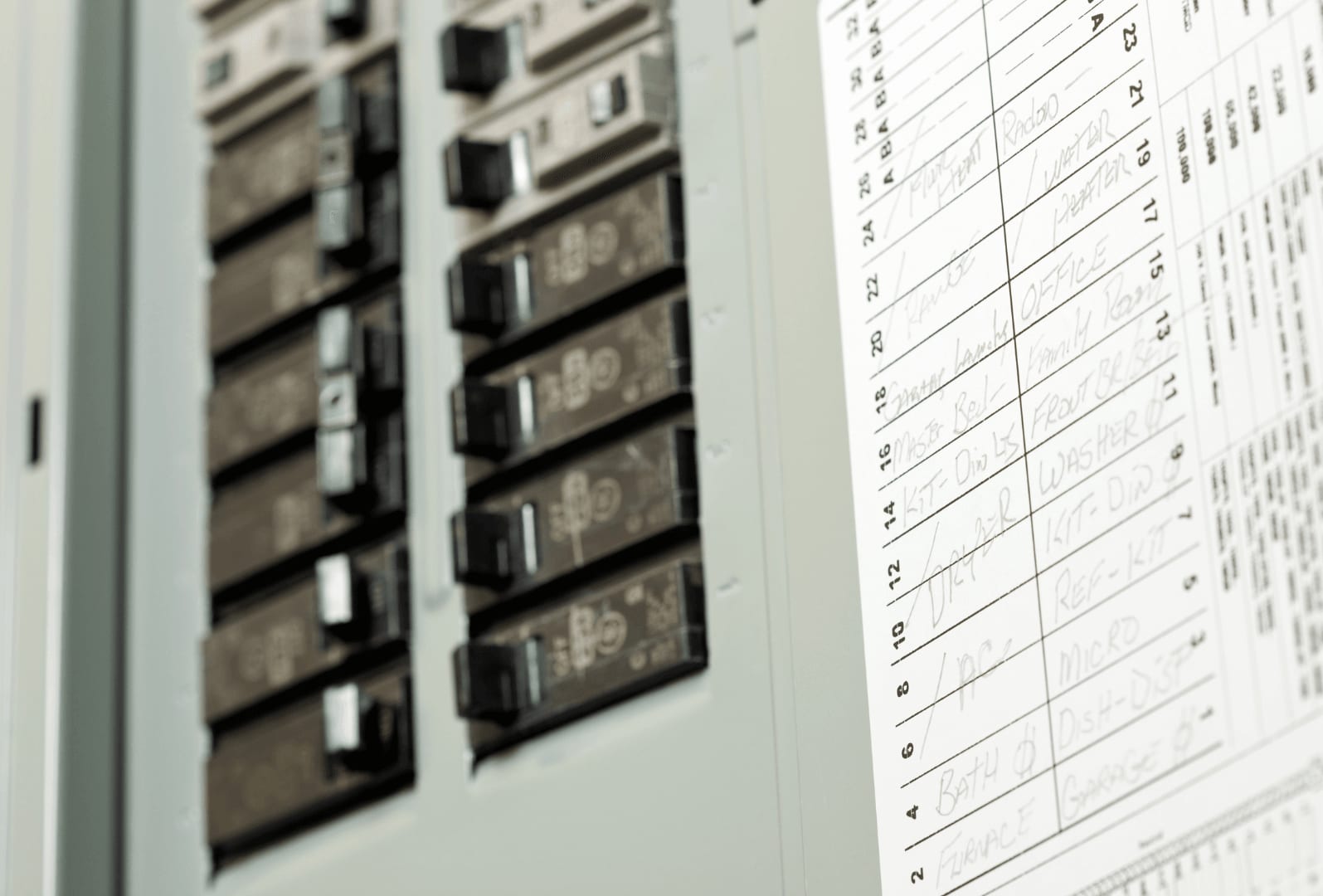
Circuit breakers are integral to the electrical systems in all buildings, acting as crucial safety devices designed to prevent electrical fires and other hazards by automatically shutting off the power when the system is overloaded or at risk. In this article, we will explore the role of circuit breakers in facility maintenance, how to properly reset them if they trip, and the vital importance of investigating the reasons behind a tripped breaker rather than merely resetting it.
The Role of Circuit Breakers
A circuit breaker’s primary function is to interrupt the flow of electricity in an electrical circuit when it detects an anomaly that could pose a risk, such as an overload or a short circuit. Unlike fuses, which can only be used once, circuit breakers can be reset and continue to function, making them more sustainable and economically efficient for managing a building’s electrical system.
Circuit breakers are designed to protect the electrical wiring and prevent the potential of fire caused by excess current that can heat wires to a dangerous level. They are found in a building’s main electrical panel and subpanels and are categorized based on the amount of electricity they can safely manage without tripping.
How Circuit Breakers Function
Circuit breakers come in various sizes, from small devices that manage the electricity of a single household appliance to massive switchgear designed to handle the high demands of industrial facilities. Regardless of their size, the basic operation is similar. They monitor the current flowing through them and automatically switch off the electrical flow when that current exceeds the breaker’s safe threshold. This action helps prevent the wiring from overheating and potentially catching fire.
When a breaker trips, it typically switches to a neutral position, which is between the on and off states. Some models may fully switch to the “off” position depending on their design and the nature of the fault they detect.
Resetting Tripped Circuit Breakers
Resetting a circuit breaker is a straightforward process, but it must be done with caution. Here are the steps to safely reset a tripped breaker:
The Dangers of Continuously Resetting a Tripped Breaker
Frequently, facility managers or homeowners reset a tripped circuit breaker without investigating the underlying cause. This practice is risky and can lead to serious electrical hazards. A circuit breaker that trips repeatedly is a clear sign that there’s an underlying problem:
Investigating the Cause of a Tripped Breaker
To safely and effectively address a tripped breaker, follow these steps:
Conclusion
Understanding and properly managing circuit breakers are critical for maintaining the safety and efficiency of a building’s electrical system. Resetting a breaker may restore power temporarily, but without addressing the root cause of why it tripped, you are potentially overlooking a serious electrical issue. Regular inspections and maintenance of electrical systems, combined with immediate attention to any irregularities, are best practices that every facility manager should adopt to ensure safety and prevent damage.
As we move towards a cleaner and more sustainable energy system, the role of nuclear power will be indispensable in ensuring that we meet our energy needs while protecting the environment for future generations.
The electrical contracting industry is at a pivotal point, with rapid advancements in technology and increasing emphasis on sustainability driving significant changes. Over the next five years, several emerging trends are set to reshape the landscape of electrical contracting
This article provides a practical guide to diagnosing and fixing typical electrical issues encountered during maintenance.