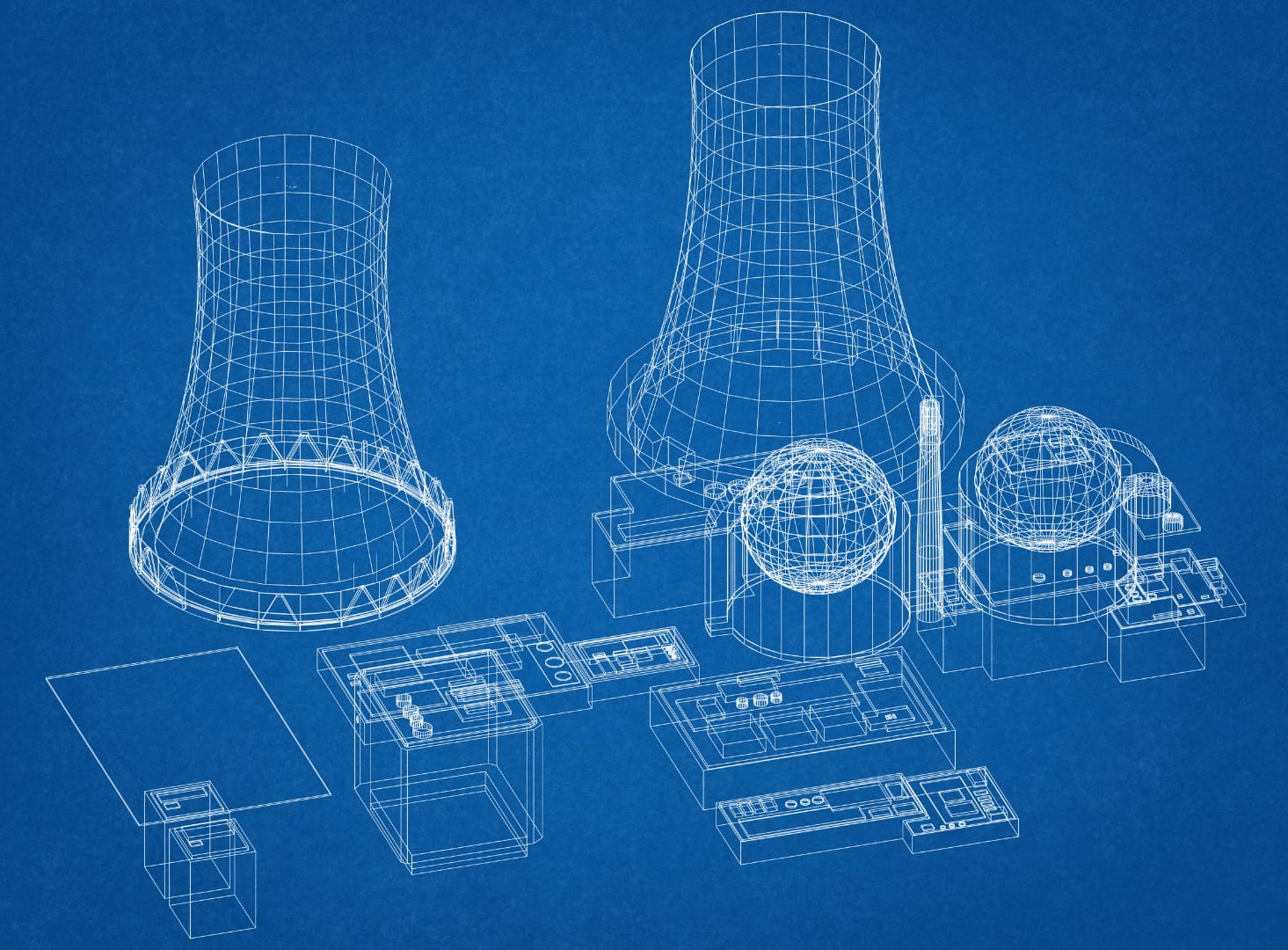
As we move towards a cleaner and more sustainable energy system, the role of nuclear power will be indispensable in ensuring that we meet our energy needs while protecting the environment for future generations.
Businesscommercial electricianelectric motors
Zach Shaffer March 28th, 2024
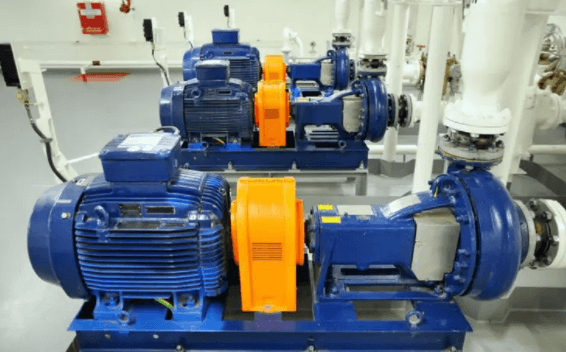
Navigating Motor Starting Strategies: Line Voltage Contactor, Soft Start, and VFD
In the realm of electrical engineering and construction, particularly in applications involving electric motors, choosing the right motor starting strategy is pivotal. The decision between using a line voltage contactor, a soft starter, or a Variable Frequency Drive (VFD) hinges on various factors including the application, motor size, and desired control level. This article explores the differences between these starting methods and provides guidance on when to use each type.
Line Voltage Contactor
A line voltage contactor is a straightforward, electromechanical switch used to start and stop a motor. When energized, it directly connects the motor to the line voltage, causing the motor to start at full speed instantaneously.
Advantages:
Disadvantages:
When to Use: Line voltage contactors are best suited for small motors where a high starting current won’t cause problems or in applications where motors do not start frequently, and the simplicity and cost are more important than controlling the starting characteristics.
Soft Start
Soft starters gradually increase the voltage supplied to the motor, resulting in a softer acceleration up to full speed. This method reduces the inrush current and lessens mechanical and electrical stress.
Advantages:
Disadvantages:
When to Use: Soft starters are ideal for applications where it’s important to reduce mechanical stress and control the starting current, such as in large pump systems or conveyor belts. They are also useful in locations with weak power supplies where a high starting current is undesirable.
Variable Frequency Drive (VFD)
VFDs provide the most advanced control by varying the frequency and voltage supplied to the motor. This allows complete control over the motor’s speed, torque, and power consumption.
Advantages:
Disadvantages:
When to Use: VFDs are best used in applications requiring precise speed control, energy efficiency, or variable loads, such as in HVAC systems, variable speed pumps, and fans. They are also ideal in processes where the motor speed needs to be adjusted frequently or varied based on the process requirements.
Conclusion
Choosing the right motor starting strategy is essential for the optimal performance and longevity of motor-driven systems. Line voltage contactors, with their simplicity and cost-effectiveness, are suitable for smaller or less frequent applications. Soft starters, offering controlled start and stop with reduced mechanical stress, are ideal for medium to large motors where inrush current and mechanical stress are concerns. VFDs, although more complex and costly, provide unparalleled control and efficiency, making them suitable for applications requiring precise speed control and energy savings.
In the construction and construction-related businesses, understanding these differences and making informed decisions about motor starting strategies can lead to significant improvements in system performance.
As we move towards a cleaner and more sustainable energy system, the role of nuclear power will be indispensable in ensuring that we meet our energy needs while protecting the environment for future generations.

The electrical contracting industry is at a pivotal point, with rapid advancements in technology and increasing emphasis on sustainability driving significant changes. Over the next five years, several emerging trends are set to reshape the landscape of electrical contracting
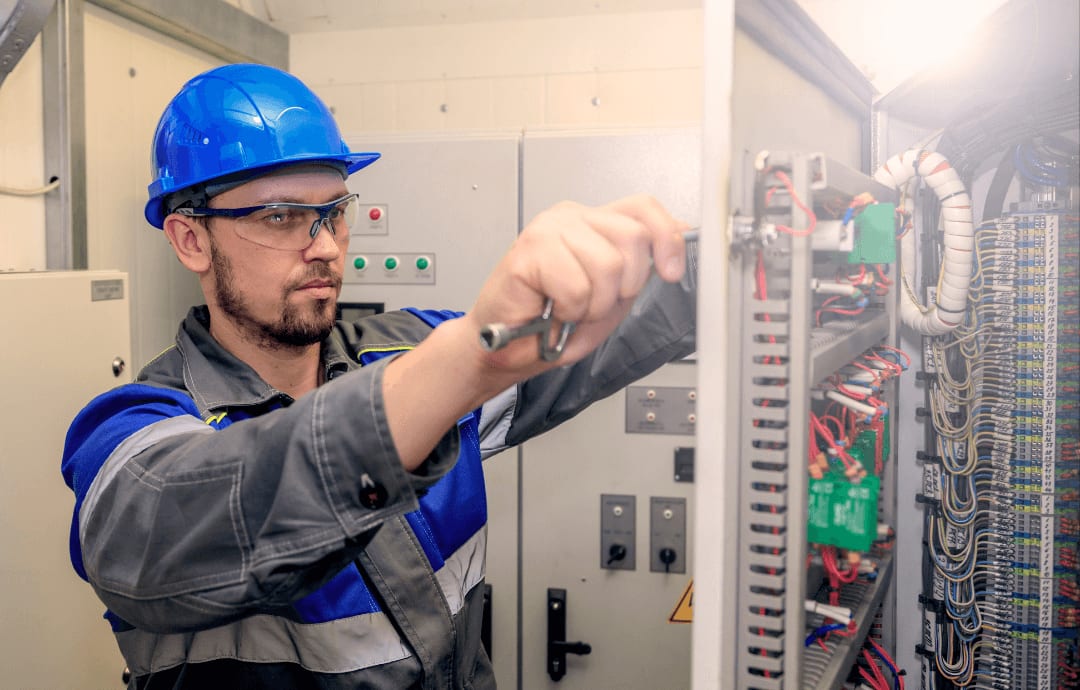
This article provides a practical guide to diagnosing and fixing typical electrical issues encountered during maintenance.